26 June 2025
Green Strawberries: How Britain's Favourite Fruit Could Produce 40% Less Carbon Emissions
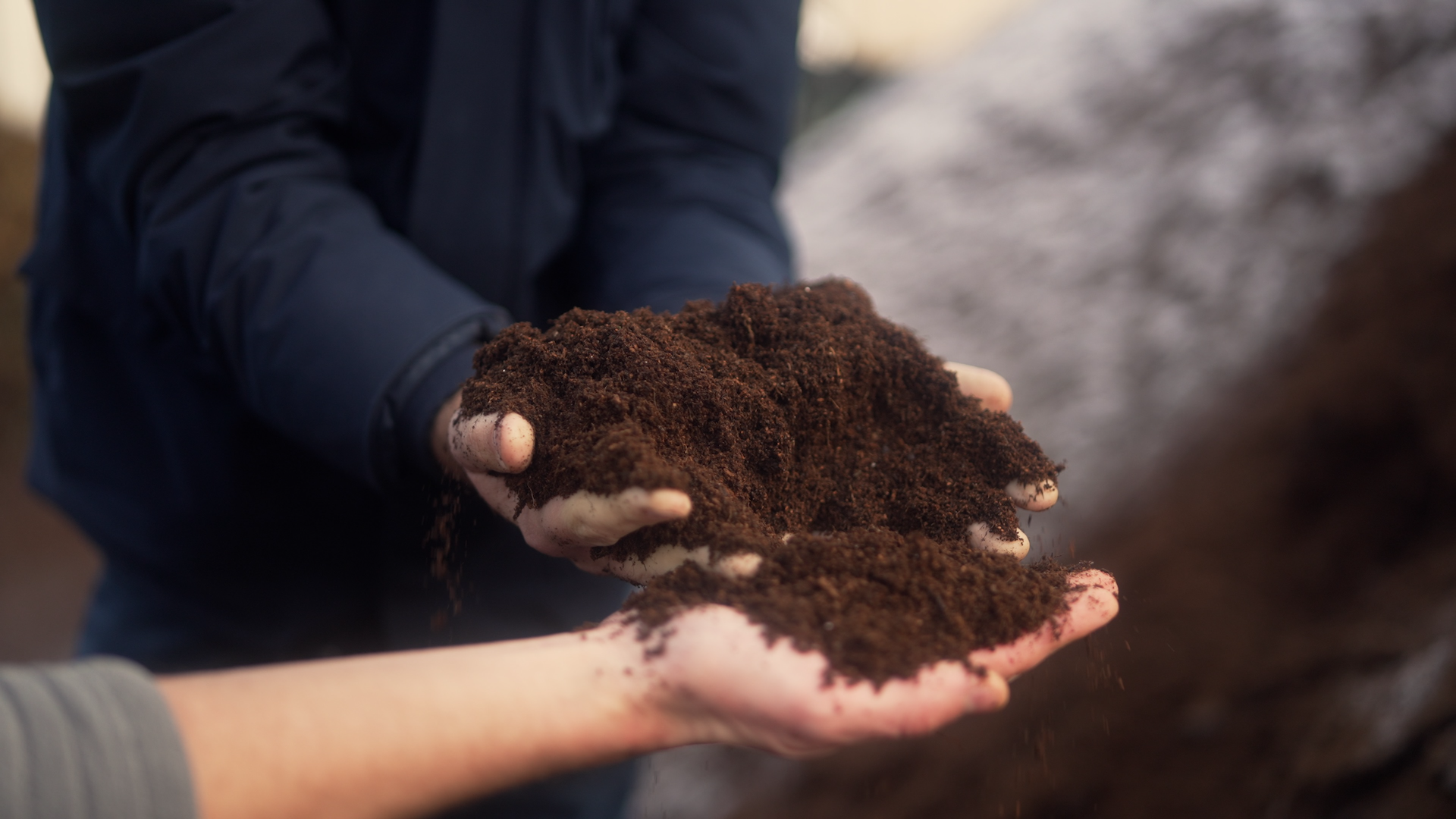
British soft fruit growers could reduce their carbon footprint by up to 40% by switching from imported growing material, coconut coir, to a new recycled alternative – without hurting their fruit yields.
British fruit growers could cut their costs, carbon emissions, and water use by switching to recycled coconut coir, developed in a project funded by Growing Kent & Medway.
Coir, a byproduct of coconut processing, is widely used as a sustainable alternative to peat to grow strawberries and raspberries in the UK. However, fresh coir is currently imported from Southeast Asia every year and discarded after each growing season, creating significant carbon and waste footprints. Now, two years of trials led by crop science experts Niab have shown that coir recycled with a process developed by Overland, a Kent-based crop removal company, can perform just as well as fresh, or 'virgin' coir on real farms.
Trials found no chemical, physical, or biological downsides to using recycled coir, but plenty of benefits. Growers could cut water use by up to 5-10% and reduce carbon emissions by as much as 40%, all while saving money. Recycled coir is cheaper to supply than fresh, and its production creates a new revenue stream for Overland – offering a rare win-win for growers, suppliers, and the environment.
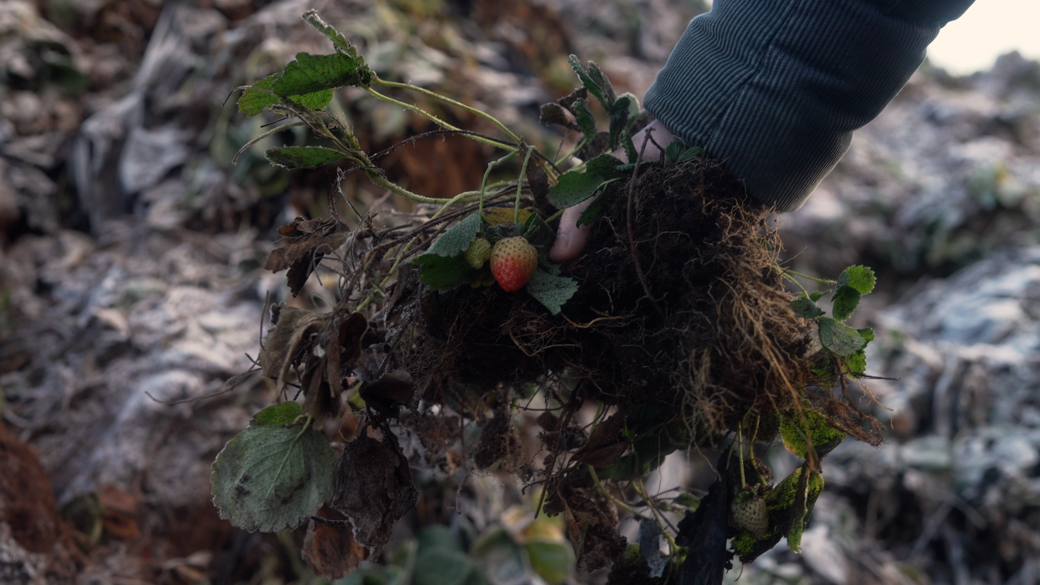
Dr Matevz Papp-Rupar, Plant Pathologist at Niab, said: "Our two years of trials showed that strawberries grown in recycled coir produced 24-40% less greenhouse gas emissions, without any issues with pests, weeds, or plant health. In fact, plants in recycled coir developed better root systems and were ready to harvest 5-7 days earlier. We found recycled coir used less water to produce the same yield."
Reassured by the results of the project, growers in the Southeast are now adopting recycled coir: "We have gained confidence over the last few years of trials that there is very little difference between recycled coir and virgin coir" said Micky Riggs, Head of Growing at The Summer Berry Company. "We've now expanded to around five hectares of production in 100% recycled coir, with several strawberry varieties performing very well. We're also planning a larger trial using 4,000 grow bags of recycled coir in 2026."
Simon Barnes, Director of Growing Kent & Medway, said, "This project delivers immediate value to growers and the supply chain by reducing input costs and water use, while paving the way for a lower-carbon future. It comes at a critical time for the industry, as UK growers struggle with rising costs, with 40% reporting they could be out of business by 2026. The project reflects the kind of applied innovation that Growing Kent & Medway exists to support, strengthening the sustainability and resilience of our region's horticultural sector and reinforcing our position as a leading UK research cluster driving innovation across the industry."
Overland and Niab were awarded £273,270 through Growing Kent & Medway's Large Research and Development Grant funding, to further develop an energy-efficient recycling process, demonstrate the use of recycled coir on a commercial scale, and assess its economic and environmental benefits.
To find out more about this research and how it can help growers reduce their carbon footprint by 40%, visit: https://bit.ly/recycledcoir, or watch the video below.
See it Differently
Related Links
Gallery
Related Articles
Continue your exploration of this topic with these related news articles.
How Biochar Can Boost Your Crops and Help the Planet
Introduction What if there was a simple soil addition that could make your plants more resilient to drought, reduce the need for fertiliser, and actively fight climate change by locking carbon away for centuries? It sounds too good to...
Sustainability & Net Zero
6 min read
Re-generation Earth: Transforming Farming Through Biochar Innovation
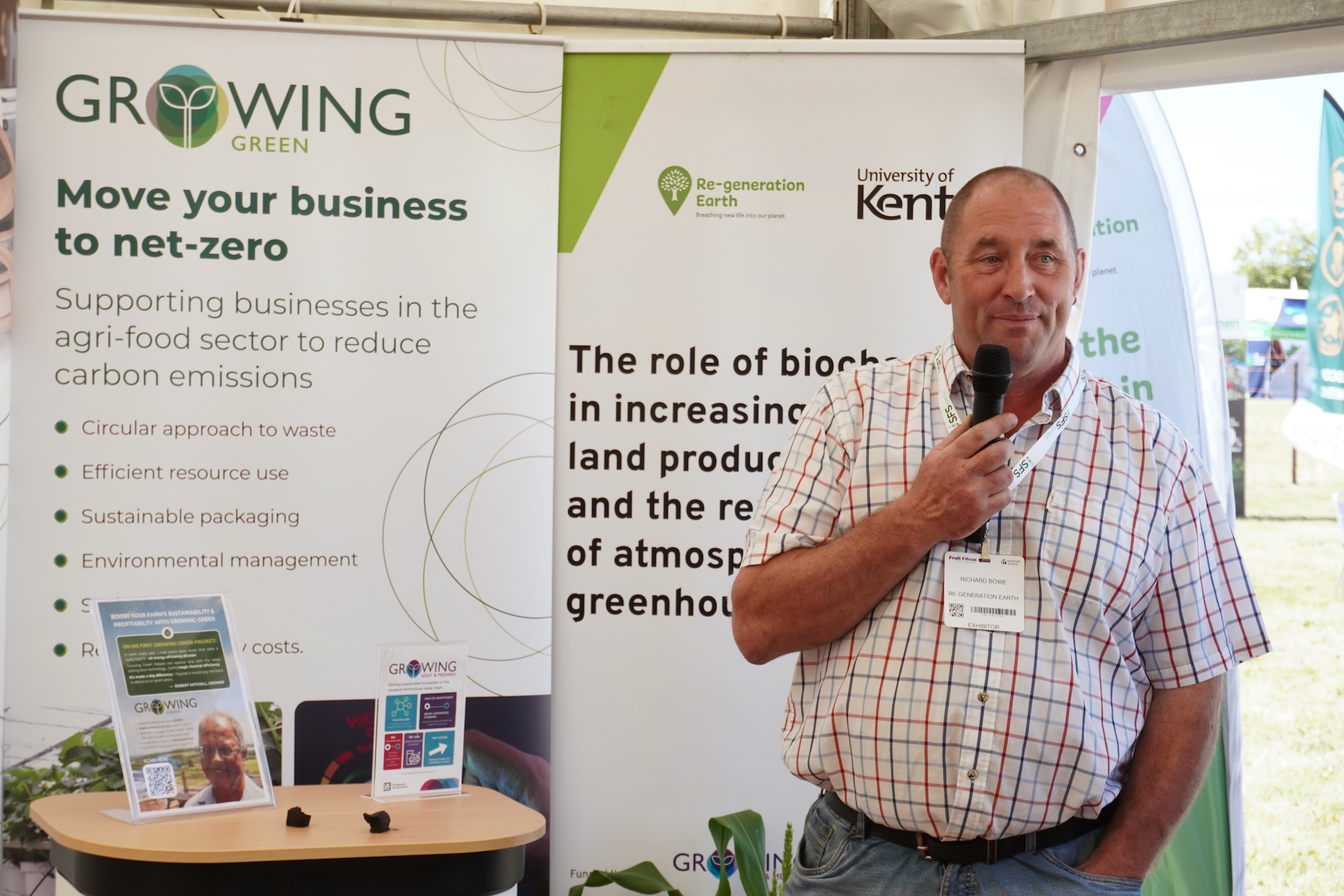
In this insightful case study, Richard Bowe, founder of Re-generation Earth, demonstrates how biochar can revolutionise farming practices by providing a sustainable alternative to synthetic fertilisers. Through a Collaborative Research...
Sustainability & Net Zero
1 min read
From Waste to Revenue: Nim's Naturally's Growing Green Journey
Nim's Naturally, located in Sittingbourne, is an award-winning producer of air-dried fruit and vegetable crisps. Its founder, Nimisha Raja MBE, has provided expert mentoring to our Food Accelerator businesses since 2022. Later that...
Sustainability & Net Zero
7 min read